Large vehicle movements to and from Colne Valley Railway
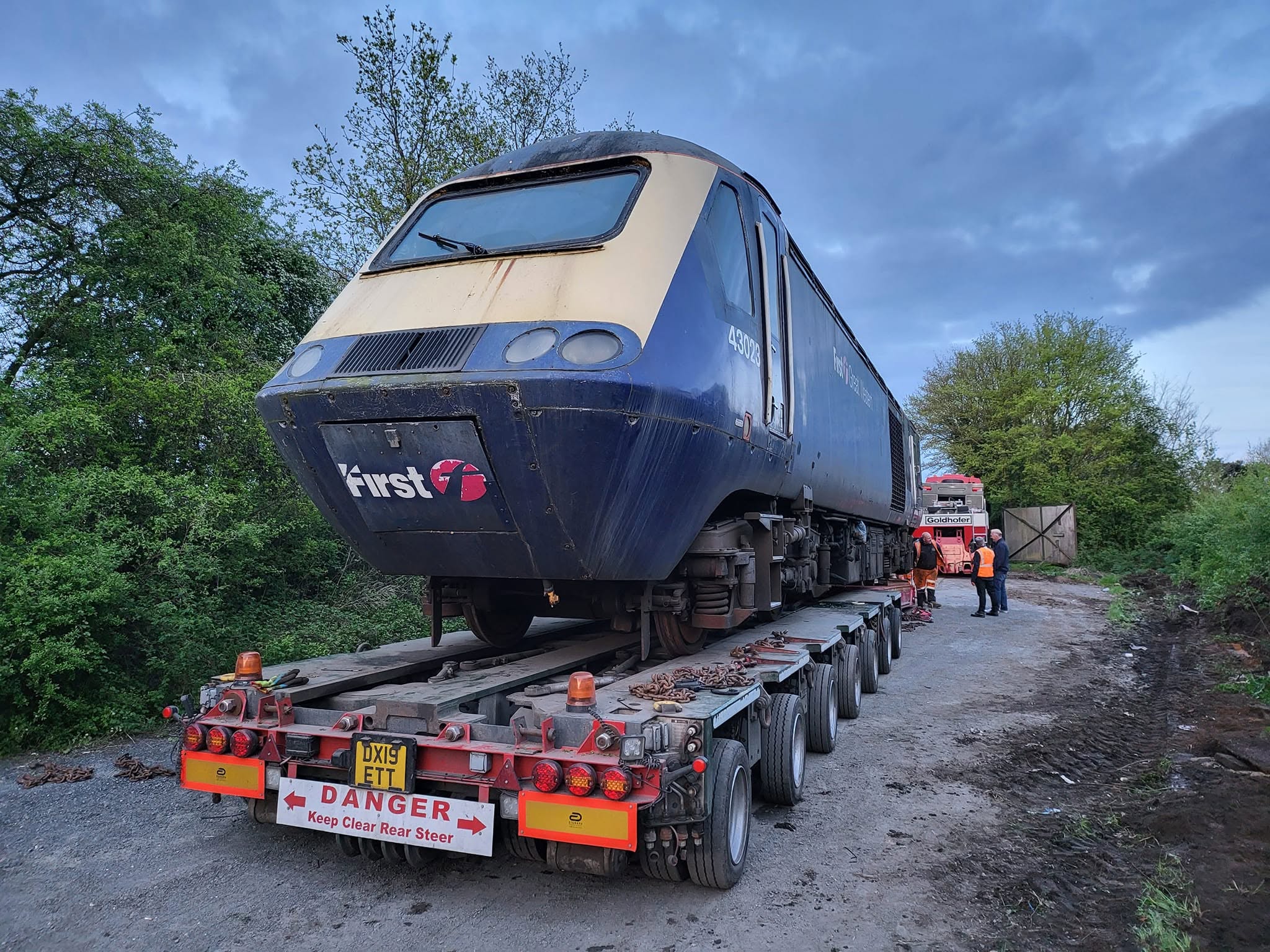
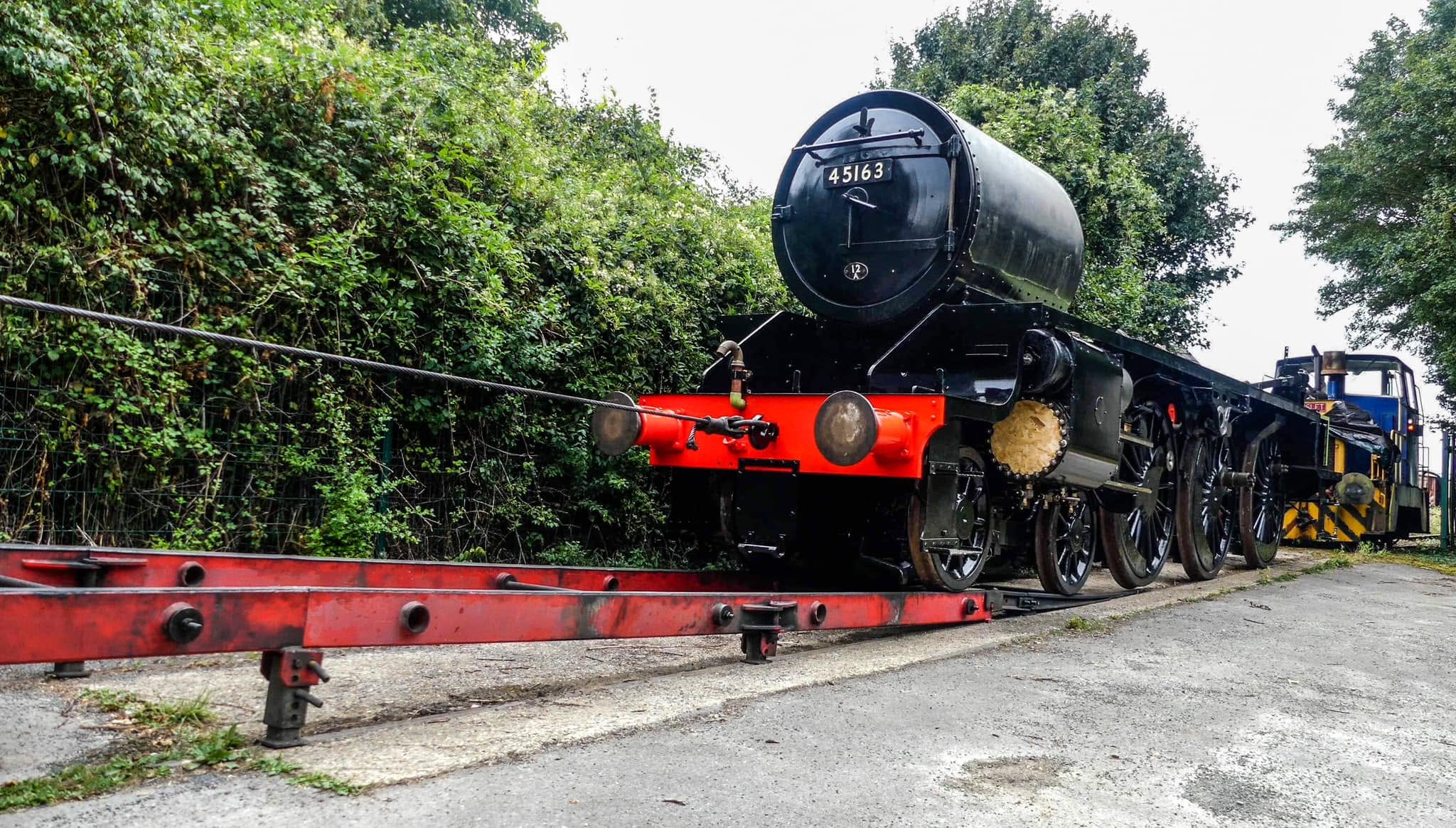
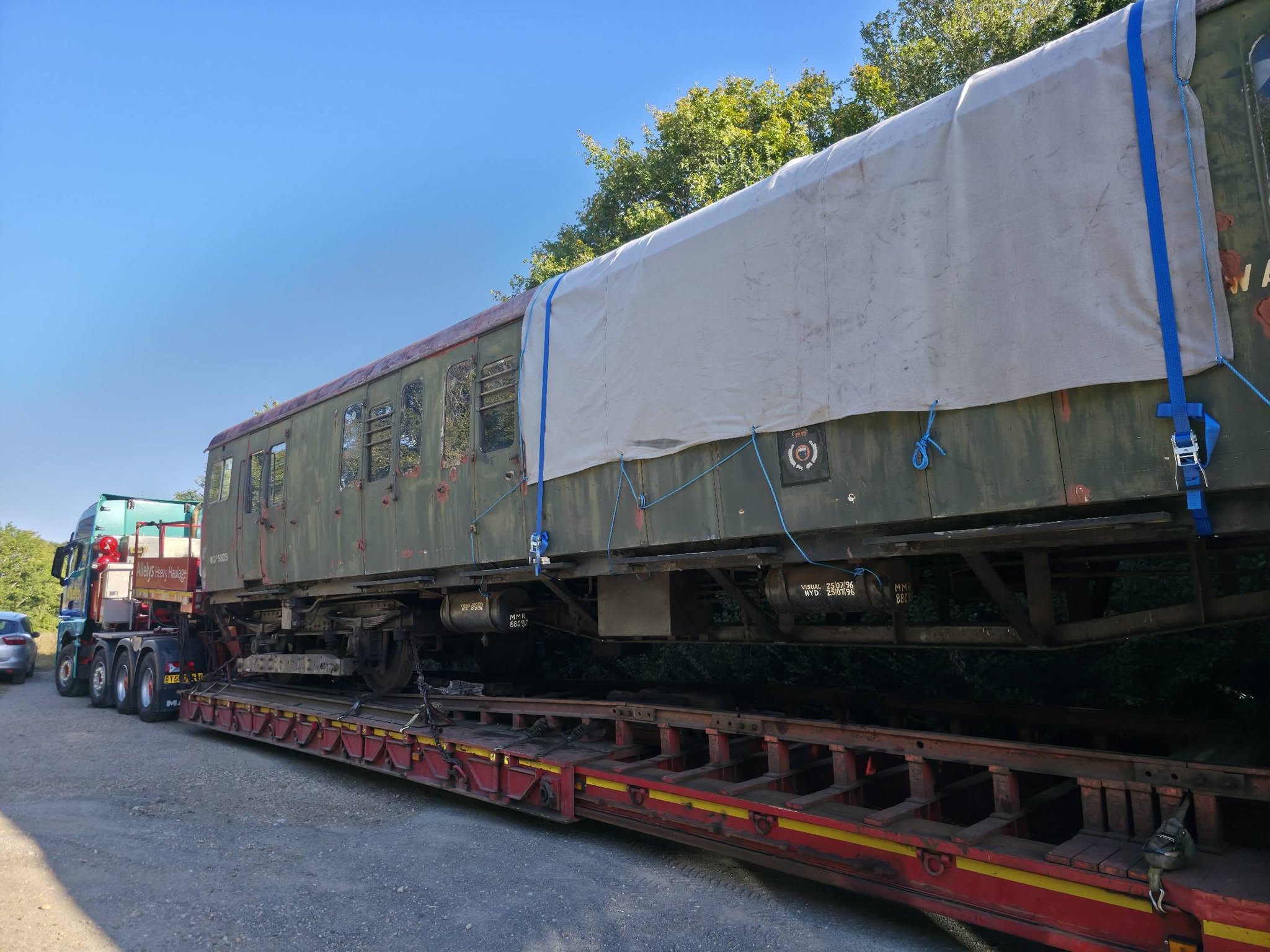
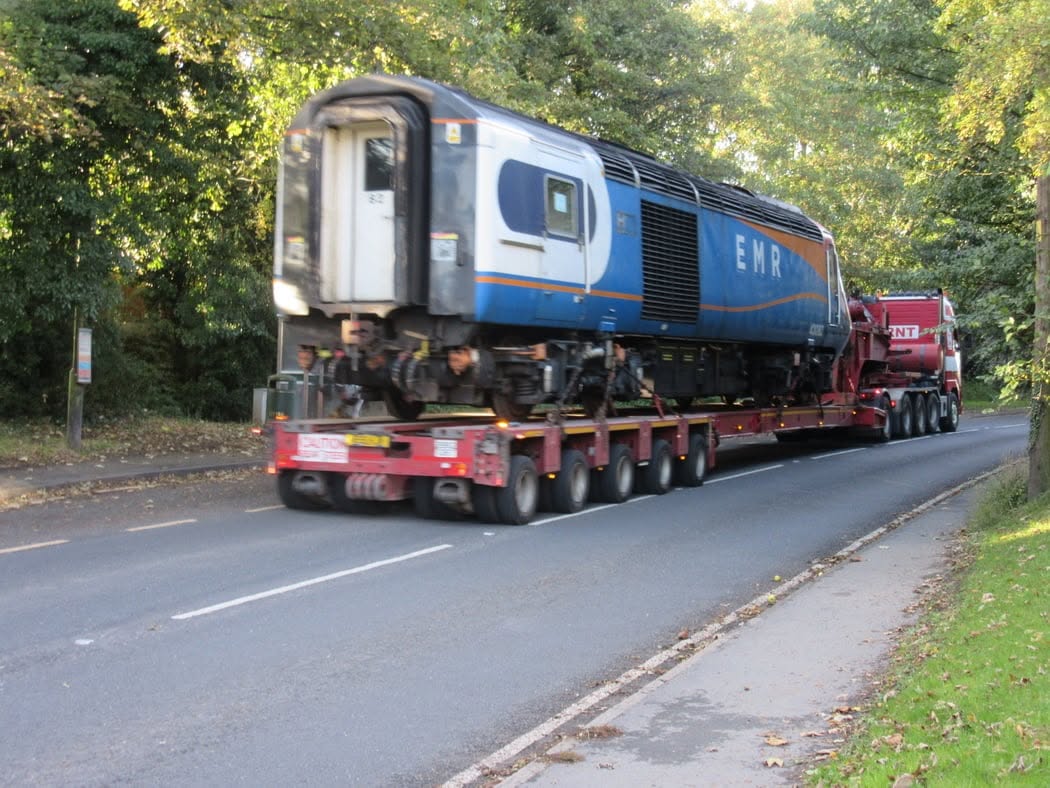
From time to time, locomotives, carriages, wagons and other railway vehicles need to be moved to or from Colne Valley Railway.
The railway does not have a connection to the national rail network, so these vehicles cannot be delivered by rail. They have to be transported by road using specialist heavy haulage vehicles.
These movements can sometimes cause short delays or temporary road blockages. We know this can be frustrating, so we wanted to explain why these vehicles travel the routes they do and why they sometimes move at particular times.
Who decides which route is used?
Colne Valley Railway does not decide which roads the transporter uses.
The route is planned by the specialist haulage company carrying the vehicle. They have to take into account the weight, width, height and length of the complete vehicle and load.
The relevant authorities may also need to be notified before the movement takes place. This can include the police, highway authorities and the owners of bridges and other structures along the route.
A route that looks shorter or easier may not be suitable for an abnormal load.
Things that have to be considered include:
- bridge weight limits
- bridge and structure capacity
- low bridges and overhead restrictions
- road width
- weight restrictions
- tight junctions
- turning space
- axle weights
- roadworks
- temporary restrictions
- parked vehicles and other obstructions
For that reason, a transporter may sometimes use a route which seems unusual to somebody who knows the local roads.
Once a route has been planned for an abnormal load, the driver cannot simply decide to take a different road because it looks easier.
Why does the road sometimes have to be blocked?
A transporter carrying a railway vehicle can be much longer, wider and heavier than a normal lorry.
Some junctions require the vehicle to use most or all of the road to get around them. At other locations the vehicle may have to travel very slowly or stop while there is enough space to continue.
This can mean traffic has to wait for a short period while the transporter gets through.
The driver is moving a large and very heavy vehicle through roads which were generally not designed with railway vehicles in mind. Sometimes temporarily stopping traffic is the safest way of doing it.
Why do these movements happen at certain times?
The time of a movement is not always chosen by the railway either.
Abnormal loads can be subject to restrictions on when they can travel. The haulage company also has to consider traffic levels, the route being used and any requirements placed on the movement.
In some cases, moving early in the morning or at another quieter time causes considerably less disruption than attempting the same journey when the roads are busy.
The arrival time at the railway can also depend on where the vehicle has travelled from and when it was permitted to start its journey.
What does STGO mean?
You may see STGO CAT 1, CAT 2 or CAT 3 displayed on some of the vehicles used to transport railway stock.
STGO stands for the Road Vehicles (Authorisation of Special Types) (General) Order.
It allows vehicles carrying unusually large or heavy loads to operate on the road under specific rules.
As a simple guide:
- STGO Category 1 covers vehicles up to around 50 tonnes, depending on their axle configuration
- STGO Category 2 allows combinations up to 80 tonnes
- STGO Category 3 allows combinations up to 150 tonnes
These figures relate to the weight of the complete transporter and its load, not just the locomotive or carriage being carried.
There are also rules covering things such as axle weights, maximum speeds and advance notification.
Very large movements outside normal STGO limits can require additional authorisation.
Why are we explaining this?
Large vehicle movements are not an everyday occurrence at Colne Valley Railway, but they are sometimes unavoidable.
We understand that finding a large transporter blocking a road or taking up most of a junction can be inconvenient.
What we particularly want local residents to understand is that the railway cannot simply tell the driver to use a different road.
The haulage company has to plan a route suitable for the vehicle and load and comply with the requirements that apply to that movement.
Where possible we will try to give advance notice of particularly significant vehicle movements.
If you do come across one, please give the driver and those assisting the movement enough time and space to get through safely.
Thank you for your patience and understanding.
Colne Valley Railway